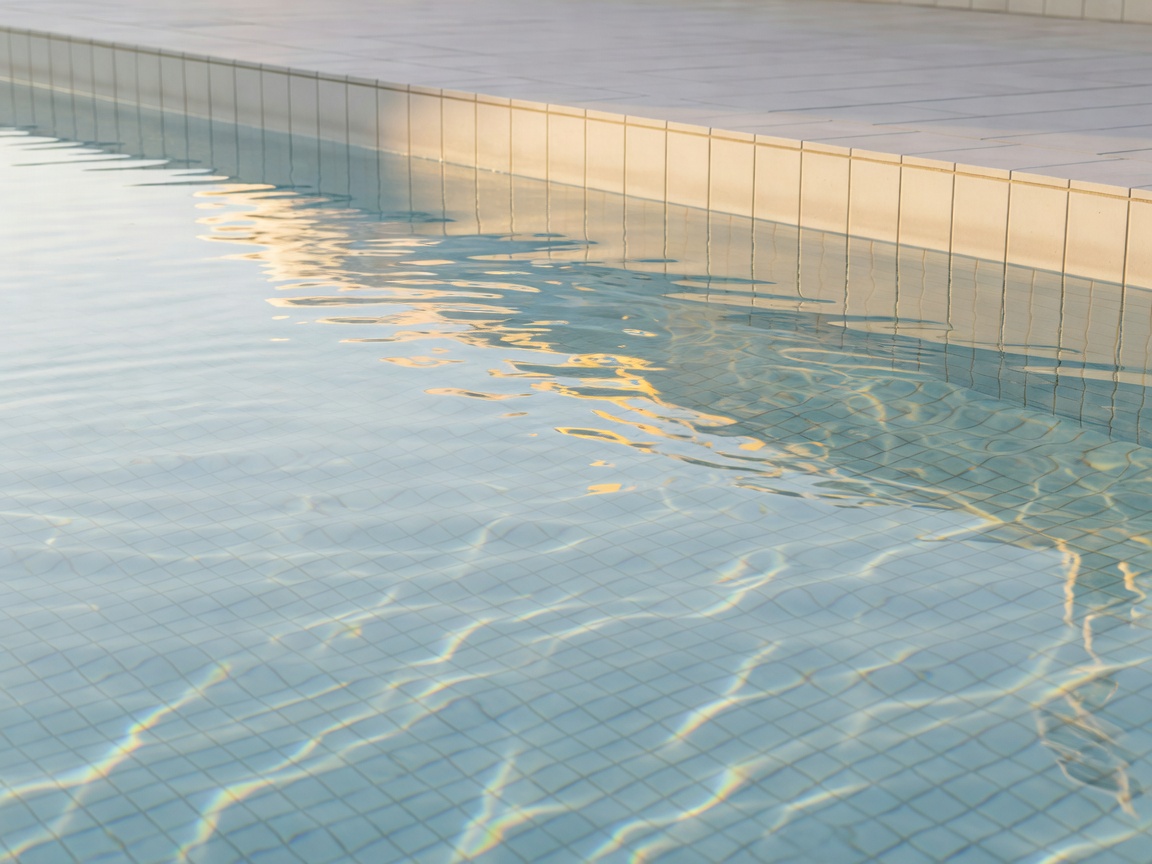
What “thermal water” means
In general use, thermal water refers to water associated with warmth from a natural source. Mineral water describes water containing dissolved constituents, but composition and concentration vary from source to source. A facility may draw on a natural source, blend or manage water for its pools, or offer heated water without a natural thermal source. Read the operator’s explanation and any available source information rather than assuming that every “spa pool” is mineral or naturally heated.
Water temperature, composition, treatment and maintenance differ between facilities and can change across pools. A reliable description should be specific about what the operator can substantiate. We do not make medical or therapeutic claims about bathing; it is a visitor experience, and suitability can differ from person to person.
Know the zones
| Facility type | What it generally describes | What to check |
|---|---|---|
| Thermal pool | A pool associated with naturally warm water; actual source and management vary. | Source details, temperature guidance, access and current rules. |
| Heated pool | Water warmed for bathing, with no implication of a natural thermal source. | Whether it is indoor/outdoor, included with entry and suitable for your plans. |
| Mineral-water pool | A pool using water described by its mineral content; composition varies. | Published source information and any facility guidance. |
| Sauna | A heated room or cabin, often with dry heat; formats and practices vary. | Clothing rules, age limits, time guidance and whether it is shared or separated. |
| Steam room | A humid heated room that differs from a dry sauna. | Entry guidance, duration advice and current operating status. |
| Cold-water area | A cool pool or shower sometimes used between heat experiences. | Whether available, optional, accessible and subject to separate guidance. |
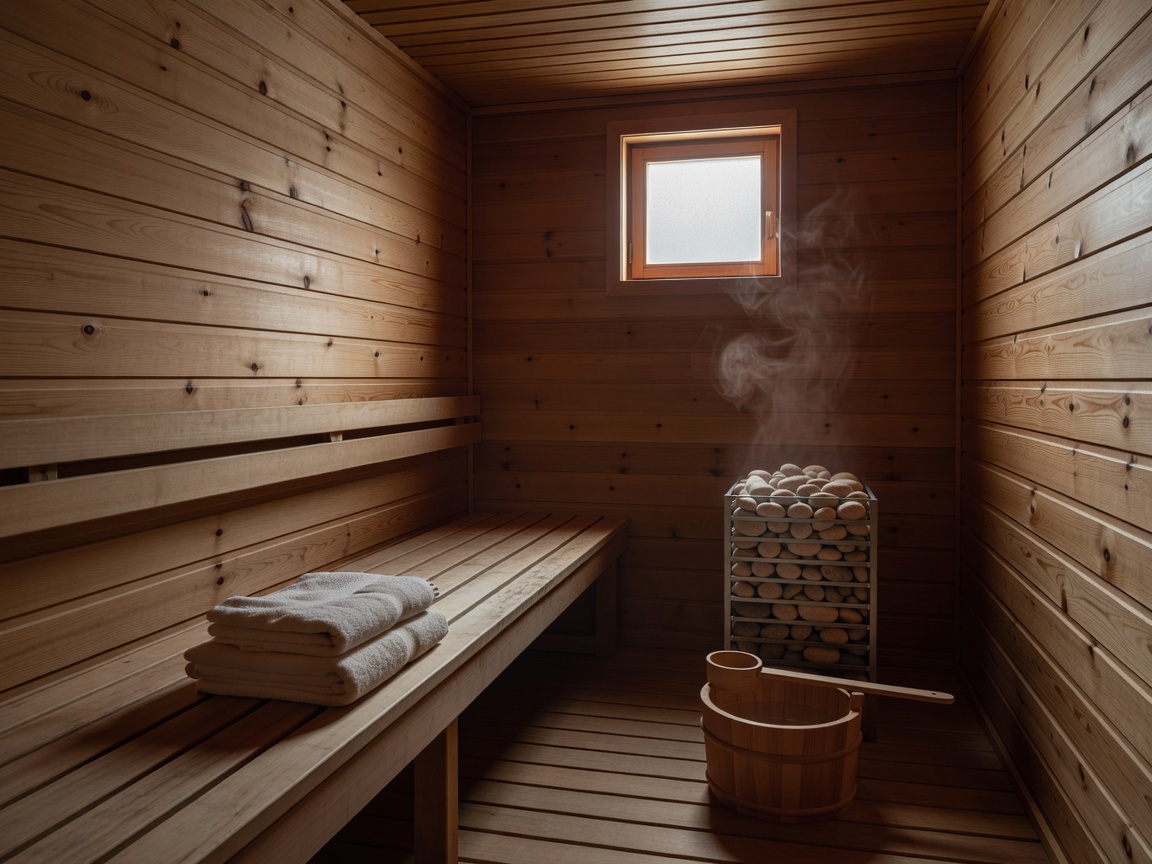
Sauna, steam and resting spaces
Sauna areas may include dry-heat cabins in different formats, communal rooms, private rooms or scheduled sessions. Steam rooms use a humid environment and may feel quite different from a dry sauna. Some venues provide showers or cold-water areas between heat spaces; others do not. Resting rooms create a pause in the circuit and may have quiet rules, limited capacity or age restrictions.
Bathing circuits are not universal prescriptions. They are routes a facility may suggest between pools, heat rooms, showers and places to rest. Choose only the areas that suit you, follow posted advice, drink water as appropriate and leave any space if you feel unwell. Temperature exposure is not suitable for everyone. If you have health concerns, seek appropriate professional advice rather than relying on a general travel guide.
Rules differ for a reason
Clothing policies may change between pool and sauna zones, and some facilities distinguish between family areas and adults-only spaces. Hygiene requirements, showering before entry, footwear, photography and quiet behavior are also set locally. Never assume that customs in one country or one bath apply elsewhere. Check current signs and official visitor information, and ask staff if a rule is unclear.
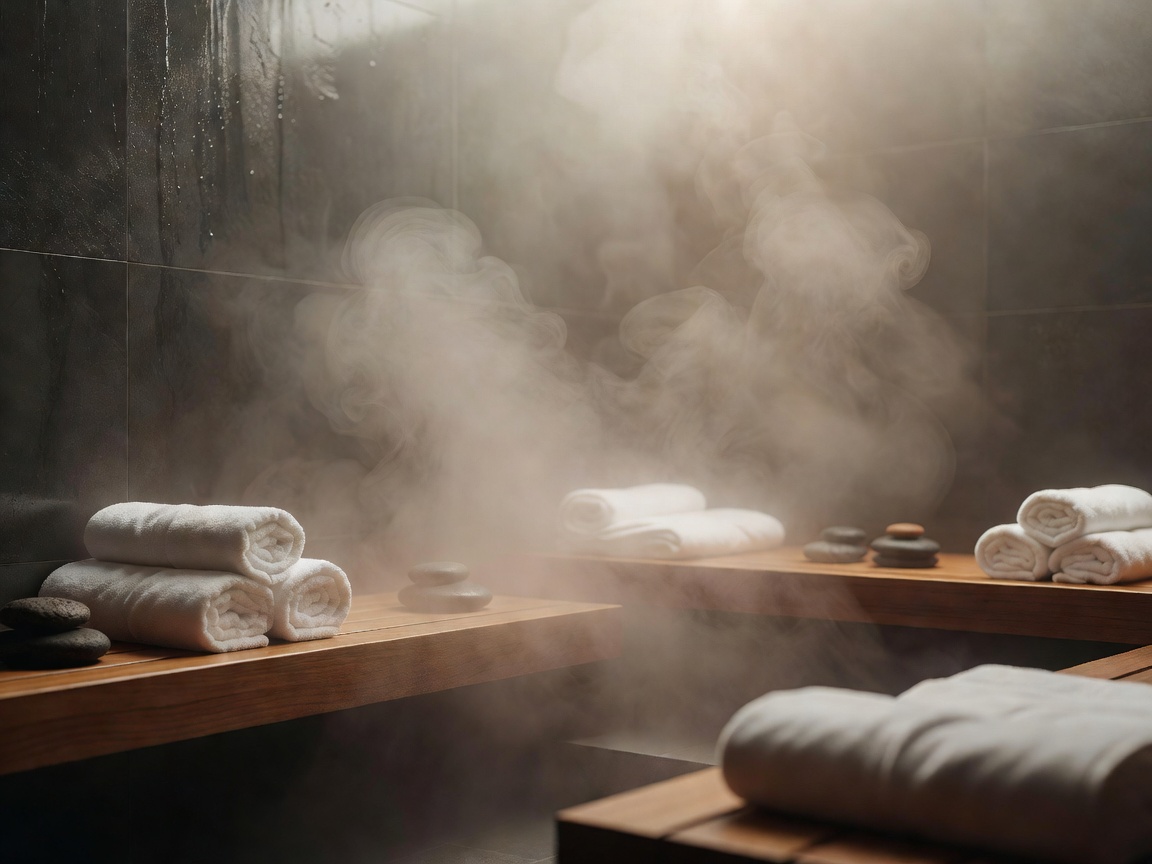
A useful distinction
Atmosphere is not a water label
Steam, warm tile and a tranquil setting describe the experience; they do not confirm natural thermal water or mineral composition.
Practical facility checklist
- Identify which pools, sauna rooms and quiet spaces are open to your ticket or stay.
- Check the water source description and whether it is natural thermal water or heated pool water.
- Review clothing, age, hygiene and photography rules before arrival.
- Ask about step-free routes, pool entry, seating and changing options where needed.
- Follow temperature and time guidance posted by the facility.
- Hydrate appropriately, take breaks and do not treat a bathing circuit as a health treatment.
Good for / what to know
Good for: visitors who enjoy choosing between different water, heat and rest environments. What to know: zones can have separate rules, hours or access charges; not every feature is offered at every venue.
The most useful descriptions are precise: what water is used, which areas are open, what is included, and what visitors are expected to do. Confirm details with the facility directly, especially when planning around access or health considerations.