Bathing as public life and local identity
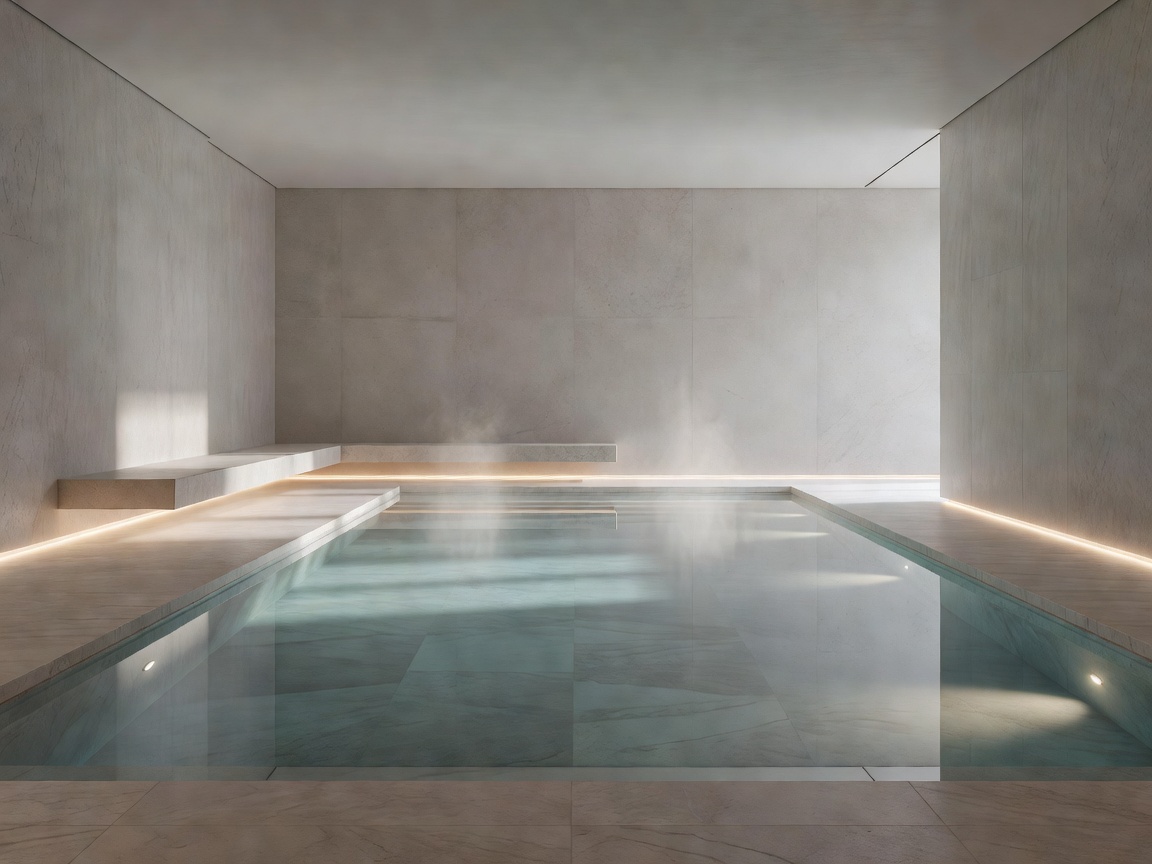
Across Europe, bathing has taken many forms: public washing places, social bathhouses, spa-town visits, private bathing rooms and modern recreational facilities. The history differs between regions and periods. In some towns, springs and bathing architecture became part of civic identity; elsewhere, contemporary pool and sauna culture has its own rhythm. A historic building may now serve new purposes, and a place’s past does not tell you its current visitor rules.
Thermal towns developed around water, leisure, social life and, at times, medical traditions. This guide does not make treatment claims or suggest that historical beliefs are current medical advice. The useful visitor distinction is simple: heritage informs the setting, while the operator explains how to use the facility today.
Etiquette without assumptions
Start with the rules of the specific venue. Showering before entering a pool, wearing particular swimwear, using a towel in a sauna or keeping voices low may be expected in some areas and not others. Clothing policies can change between pool, sauna and treatment spaces. Some facilities have family areas, adults-only zones or separate arrangements. Never generalize a whole country’s customs from one visit or assume that a familiar rule applies everywhere.
Respect other visitors’ privacy. Photography may be limited or prohibited, especially in changing and shared bathing areas. Keep devices away where the facility asks, avoid filming others and follow staff direction. In quiet rooms, speak softly and allow others space. Shared facilities work best when visitors treat the posted rules as part of the experience, not as optional suggestions.
Plan the practical details
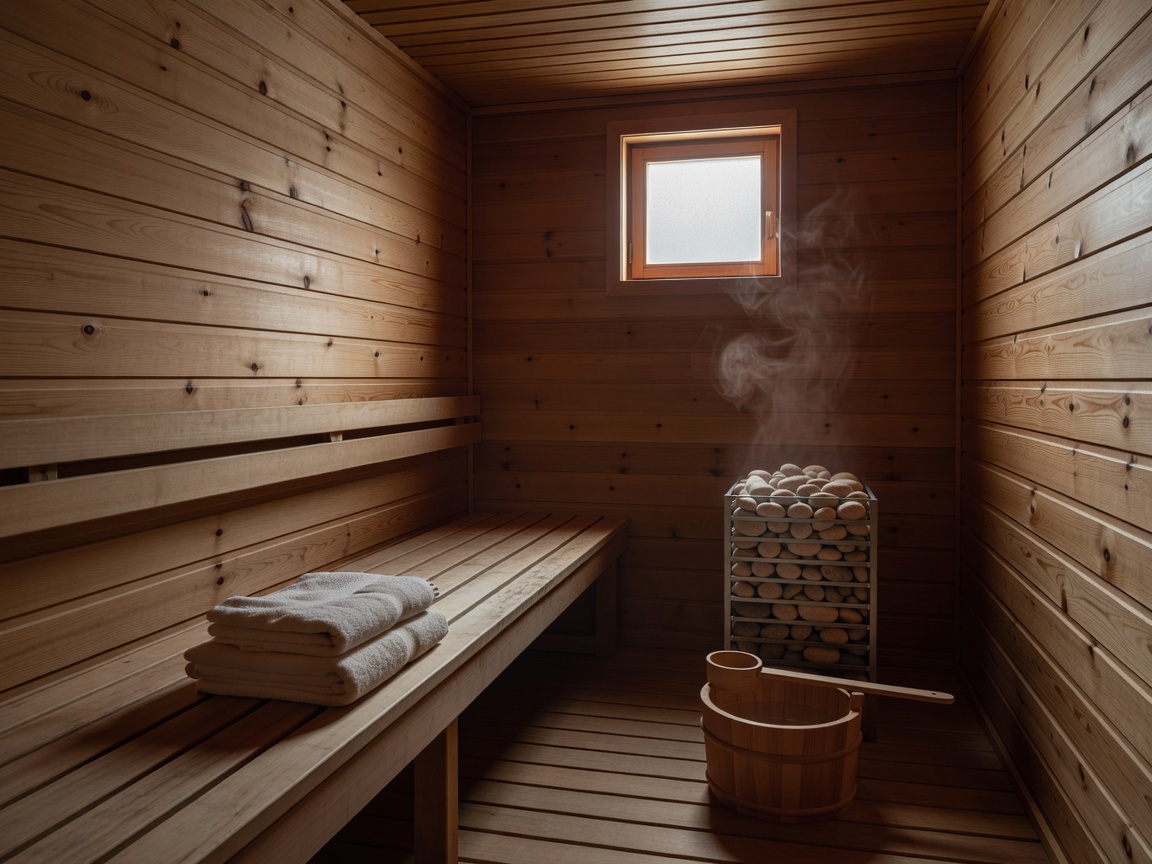
Before travelling, consult the facility’s official information for current opening hours, admission conditions, ticketing and any booking requirements. Check whether there are separate entry options for pools, sauna zones or treatments. Confirm age restrictions, family access and clothing requirements. Details can change for maintenance, holidays or seasonal operation; third-party listings may lag behind.
Think about access beyond the building entrance. Consider the route from public transport or parking, step-free circulation, lifts, changing spaces, seating, handrails and pool entry. Contact the operator with specific questions when accessibility information is incomplete. A historic bath can have a memorable setting but challenging circulation; a contemporary facility can offer a different layout, though neither should be assumed accessible without confirmation.
What to bring—and what to check
Facilities may expect visitors to bring swimwear, towels, sandals or a robe, while others provide some items for rent or use. Do not assume either arrangement. Ask about lockers, changing facilities and payment methods. Food and drink policies vary; some venues have cafés, while poolside eating may be restricted. Photography rules also deserve a quick check before taking out a camera or phone.
Give yourself time to understand the space. Read signs on arrival, note exit routes and ask staff if a rule is unclear. Follow any posted advice about water temperature, sauna duration, hydration and rest. Heat and bathing are not suitable for everyone in the same way; if you have health concerns, consult an appropriate professional and follow facility guidance. Leave a pool or heat room if you feel unwell.
Pre-visit checklist
- Confirm current hours, admission rules and advance booking requirements.
- Check swimwear, sauna, age, family and photography policies.
- Ask what towels, robes, lockers and changing facilities are provided.
- Review accessible routes, pool entry and seating arrangements.
- Understand food and drink rules and any separate-area access charges.
- Save the facility’s own visitor guidance for the day of your visit.
Historic or contemporary?
A historic facility may appeal to visitors interested in architectural detail, local heritage and a sense of continuity. It may also have more complex routes, older fabric or busier shared areas. A contemporary space may offer a more legible layout or a stronger connection to landscape, but its quiet minimalism is not everyone’s preference. Think about what matters to you—cultural setting, ease of movement, family arrangements, outdoor bathing or a particular facility type—and compare current details rather than relying on appearance alone.
Above all, approach the visit with curiosity and flexibility. Local customs deserve respect, and the operator’s current information is the best guide to how a particular place works.