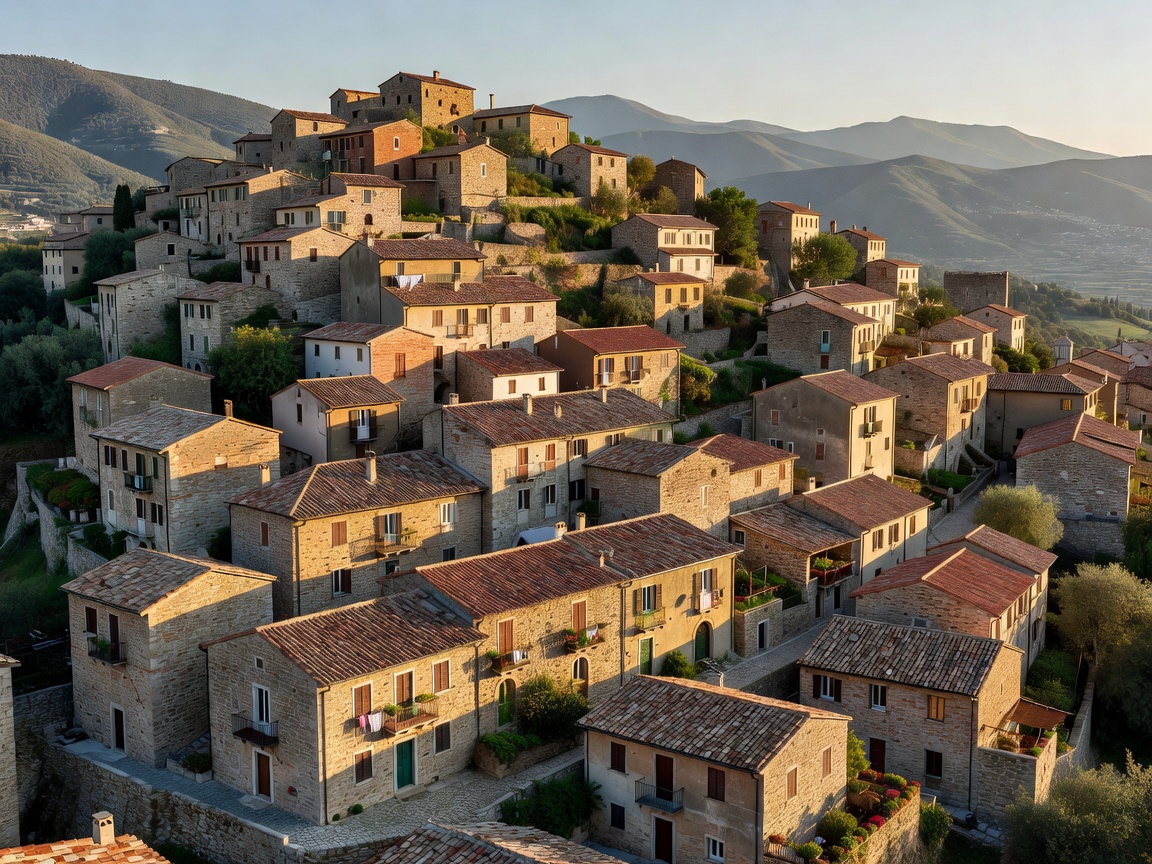
How thermal destinations develop
Places associated with warm or mineral waters often grow around springs, bathing facilities and the visitors they attract. Over time, a bathing site may become part of a wider town identity, with promenades, historic buildings, gardens and accommodation. That history provides cultural context, but present-day access is specific to each facility. A hotel in a spa town may have no thermal-water source, no pool, or no connection to a public bath.
Public baths and resort hotels also serve different purposes. A public facility may welcome day visitors under its own entry rules; a hotel may operate a private wellness area or have an agreement with a separate complex. Check the operator’s current information instead of assuming that the destination label explains what is included.
Places to begin your research
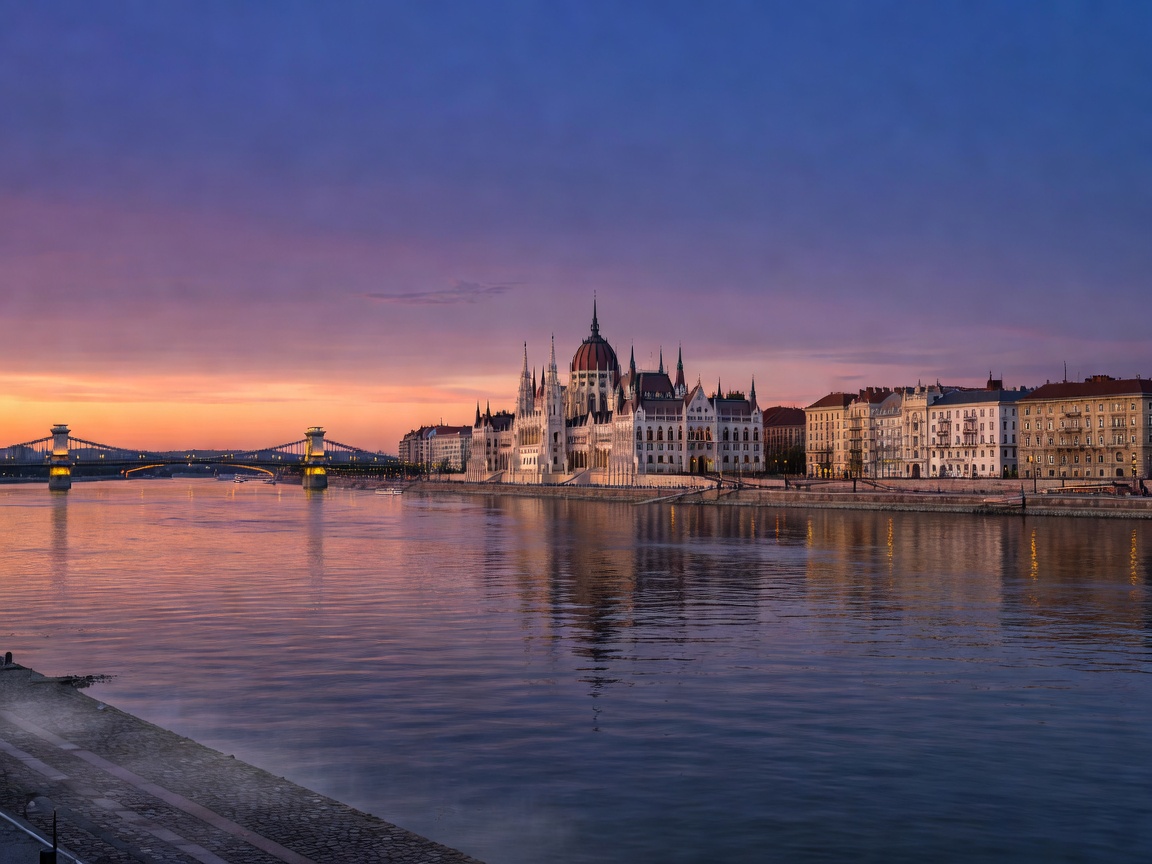
Hungary · Capital city
Budapest
Known internationally for a layered bathing culture and historic bath architecture. Compare individual public facilities, neighborhoods and access requirements rather than treating the city as one single spa.
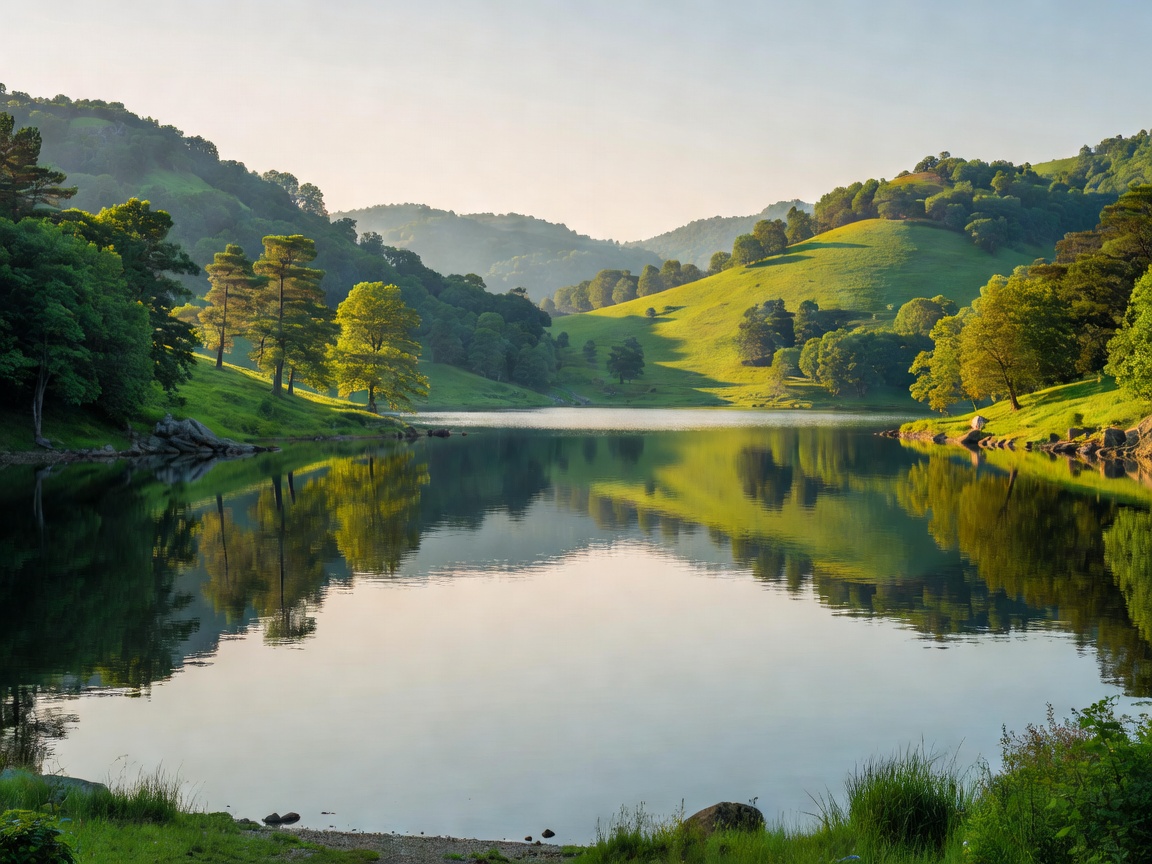
Hungary · Lake region
Hévíz
A town widely associated with thermal bathing. Its setting can appeal to travelers seeking a smaller destination, but the current operation, access and seasonal details of facilities need direct confirmation.
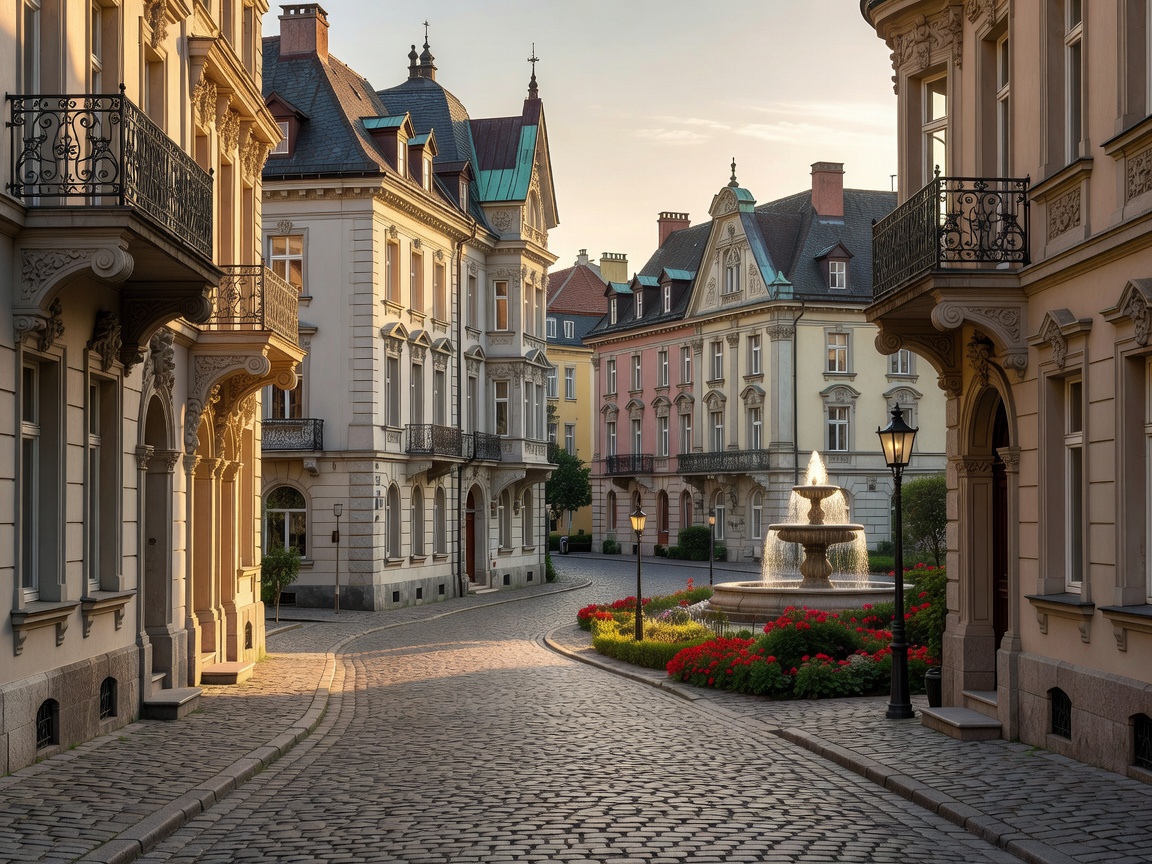
Czechia · West Bohemia
Karlovy Vary
A historic spa-town identity is visible in its architecture and urban fabric. Research whether your interest is a public bathing experience, a traditional spa setting or simply the town’s built heritage.
Germany · Baden-Württemberg
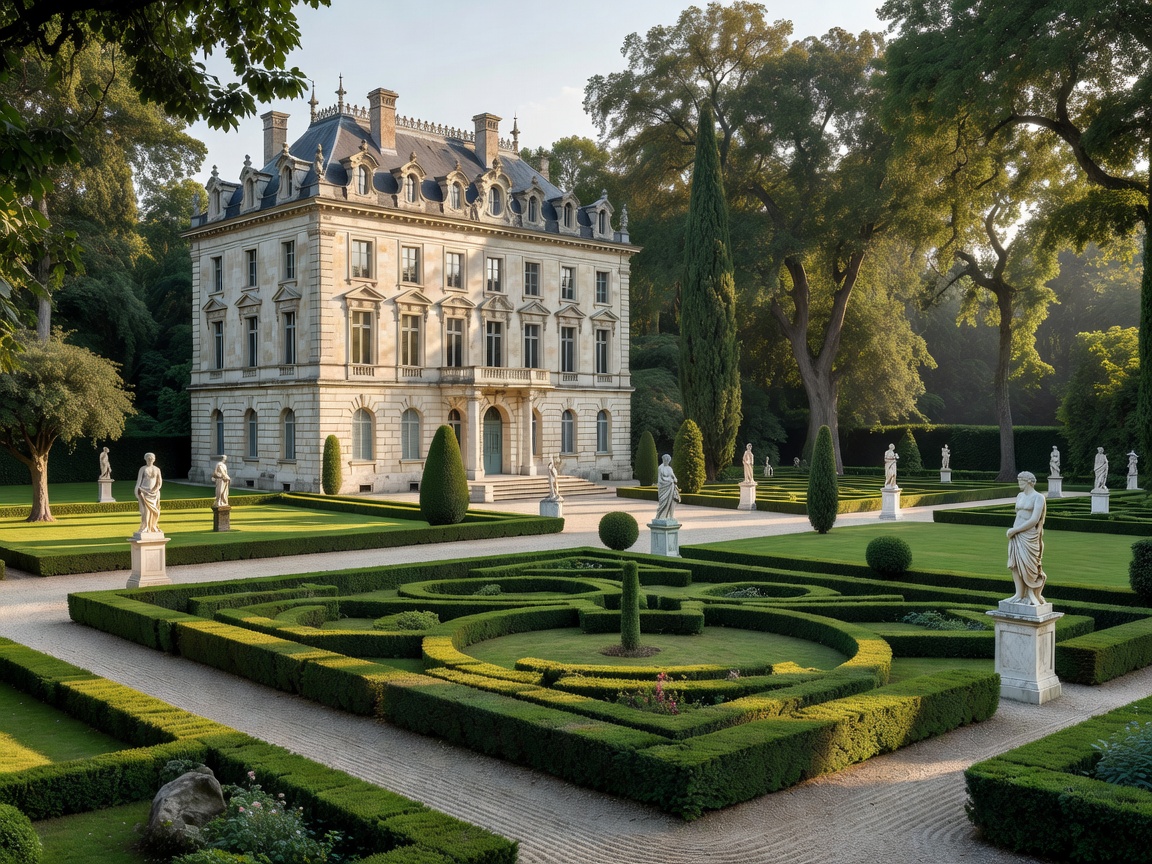
Baden-Baden
A well-known bathing destination with a long spa-town story. The character of an individual bath, its current access rules and the services of nearby accommodation are distinct matters.
England · Somerset
Bath
Roman-era remains and later spa heritage shape the city’s identity. Historical context should not be confused with a claim that every present-day facility uses the same source or offers the same access.
Further European perspectives
Vichy in France is associated with a distinctive spa-town history; Tuscany in Italy offers a broad regional frame in which bathing sites and landscapes differ substantially from one another. Treat regional names as prompts for focused research. A specific facility’s source, services and rules should always be verified with its current official information.
For a non-European comparison, Beppu in Japan illustrates how bathing culture can be closely connected to local geography and distinct facility traditions. It is included as a point of comparison only; this guide’s main focus remains Europe.
Compare the practical experience
| Question | Historic town | Resort or hotel setting |
|---|---|---|
| Bathing access | May involve a separate public facility and its own entry rules. | May be private, shared, connected or unavailable to non-guests. |
| Getting around | Urban walking and public transport may be useful; check distances. | Location may be quieter, but transfers and local connections matter. |
| Atmosphere | Often combines daily town life with heritage architecture. | May center on the property and its own wellness timetable. |
| What to verify | Current public access, clothing rules, accessibility and closures. | Pool source, access included in stay, reservations and seasonal hours. |
Balanced pros and considerations
A town stay can offer: cultural variety, independent dining and the chance to visit a public bath separately. Consider: facilities may be busy, access can require planning, and accommodation is not automatically connected to thermal bathing.
A resort-style stay can offer: a more contained itinerary and wellness areas close to the room. Consider: access may be restricted to guests, separately charged or dependent on the property’s current schedule. The word “thermal” alone does not establish the water source.
Plan around place and season
Travel connections, walking distances, terrain and weather affect a visit. Outdoor bathing depends on the facility’s operating arrangements and conditions; cooler weather can change the feel of the experience, while busy travel periods may affect access. Do not rely on old listings for times, prices or services. Consult official facility sources for current opening information, admission conditions, age policies, accessibility and any advance booking requirements.
Questions to ask before choosing
- Is there a public bath nearby, or does the hotel operate its own wellness area?
- Does the facility identify its water as natural thermal water or heated pool water?
- Is guest access included, limited or paid separately?
- How will you travel between accommodation and bathing areas?
- Are current rules and accessibility information easy to confirm?
Destination research works best when a town’s history is a starting point and the named facility is the next step. Confirm details close to travel and keep flexibility in your plans.